
When Trust is Tested: Moving Forward with Wisdom, Not Cynicism
Leaving the corporate world after many years and stepping out on your own takes courage. It calls for resilience, belief, persistence and, if we’re honest, a little encouragement from those around us.
As I reflect on my journey, two moments stand out. Only two in a 35-year career isn’t bad, but both tested my trust in people more than I expected.
They were deeply painful experiences—ones touching on betrayal, injustice and the emotional toll of helping others succeed, only to feel unsupported when I needed it most. I felt shocked, hurt and disappointed. The opposition I encountered seemed to violate the natural order of how relationships should work.
But the real question wasn’t what happened.
It was what I chose to do next.
Did I blame those individuals?
Did I blame myself?
Did I stop supporting others to grow?
Absolutely not.
Instead, I chose to process the experience in healthy ways. I grounded myself, reflected on my values and reminded myself what truly matters. That wasn’t always easy, especially when the sense of unfairness weighed heavily, but it was the only way forward that felt aligned with who I am.
If you’ve ever faced something similar, here are a few thoughts that helped me move through it:
1. Acknowledge the grief
It’s rarely just about the action itself. It’s about the loss of trust and the relationship you thought you had. Allow yourself to feel that fully, without judgement.
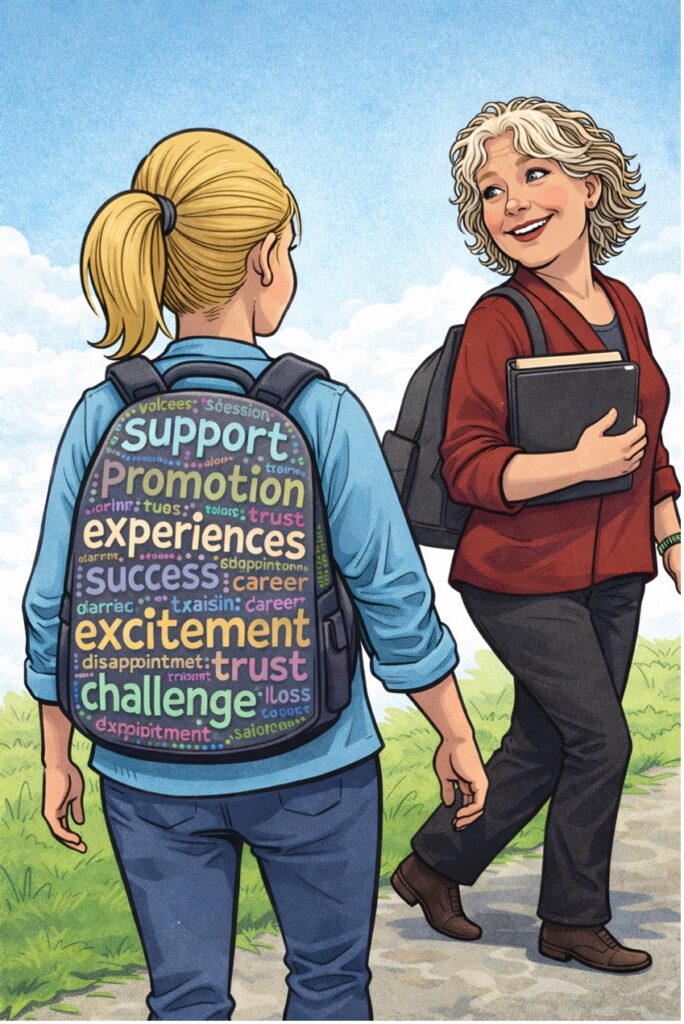
2. Reframe your “backpack”
I like to think of experiences, good and bad, as going into a Backpack of Experience. They belong behind us—not as reasons to become cynical, but as lessons in discernment. I still want to help people; that’s part of who I am. The key is protecting that spirit while being wise with my energy.
3. Release the expectation of reciprocity
I’ve always helped others freely, but unconsciously we often hope people will stand beside us later. When they don’t, it hurts. Helping without expectation is the only way to avoid carrying future disappointment.
4. Choose boundaries, not walls
Kindness and openness don’t require naivety. We can remain generous while being thoughtful about who we invest in, and how trust is built over time.
5. Let life handle the rest
Releasing the need for justice, apology, or acknowledgement can be surprisingly liberating. Their actions reflect their character—not your worth.
My support for those individuals came from generosity and a genuine desire to help people become the best versions of themselves. That hasn’t changed.
What has changed is the wisdom I carry forward.
I can’t rewrite the past, but I can choose how I move into the future — with resilience, self-kindness and a renewed commitment to living my values.
And from experience, when you start by being kind to yourself, the rest tends to follow.
#resilience #wisdom #trust #kindness #expectation #supportingpeople #values
Use Acredale’s experience to navigate uncertainty, strengthen resilience, rebuild confidence, and develop practical strategies that align with your values and support your future goals
Blog author:
Deborah Whitworth-Hilton

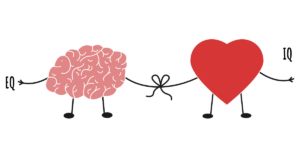
Emotional Intelligence: More Than Just Being a “People Person”
What is Emotional Intelligence (EQ)?
Many assume that if someone is outgoing, friendly, or naturally good with people, they must have high emotional intelligence. But being a “people person” doesn’t automatically mean you have high EQ.
STEM–What it is and Why I’m still passionate about it
STEM is a familiar acronym: Science, Technology, Engineering and Mathematics. For me, however, STEM is far more than a set of disciplines. It represents opportunity, innovation, resilience, and—still unfinished business.

International Women’s Day 2026
If organisations truly want high performance, they can’t afford to ignore half the talent pool.
Relationship Intelligence—What on Earth is it (and why should you care)?
At its heart, safety is about people. Policies, audits and risk assessments all play a role, but they cannot replace the impact of authentic leaders who genuinely care about the wellbeing of those they lead.

Creating a Culture of Care—Why Safety Is About People, Not Rules
At its heart, safety is about people. Policies, audits and risk assessments all play a role, but they cannot replace the impact of authentic leaders who genuinely care about the wellbeing of those they lead.

Safety Culture Is Set at the Top
Most organisations invest heavily in safety systems, policies and procedures. But have you ever stopped to ask why so many safety improvement programmes struggle to gain real traction?