
Relationship Intelligence—What on Earth is it (and why should you care)?
What comes to mind when you hear Relationship Intelligence (RQ)?
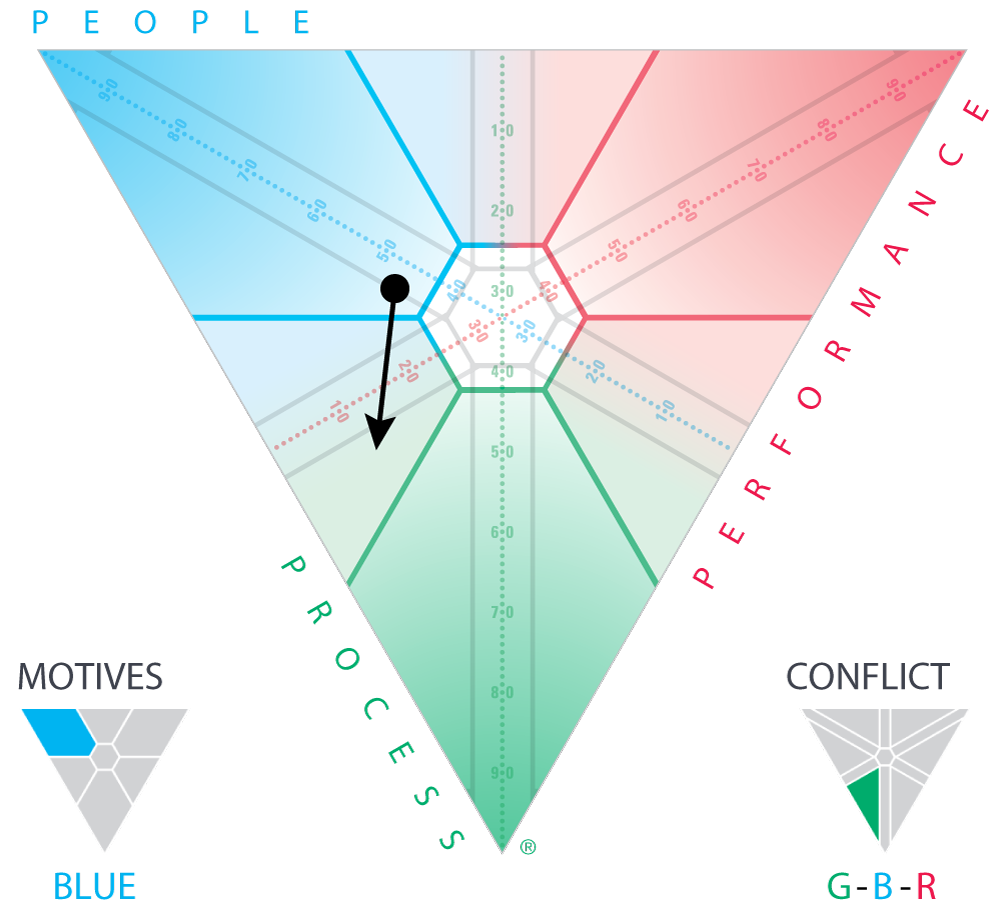
If you ask Google or one of the multitude of AI tools out there, you’ll get a flood of definitions. Some clever. Some complicated. Some that make you feel you need a PhD to understand them. I prefer something much simpler. As an SDI 2.0 (Strengths Deployment Inventory) Facilitator, I describe Relationship Intelligence as this:“The insight to adjust your approach to make interactions more effective.”
That’s it. It’s not about being “nice” or avoiding conflict. It’s not about personality labels. It’s about understanding why people do what they do—including you—and using that insight to get better results together.So how do you get that insight?
Many approaches tell you how someone behaves. SDI helps you understand what is driving that behaviour—what matters to them, and what changes when they’re under pressure. And, when you understand individuals motives, you know when to adjust your own approach. If you have ever considered any of the questions below, then SDI can help you answer them… …and more:- As a manager, do I really know what drives each member of my team?
- Am I bringing out their best—or accidentally frustrating them?
- Do ideas flow freely in our team, or are we stuck in silos?
- Is it safe for people to disagree here?
- What’s it actually like to be on the receiving end of me?
- Conflict becomes productive instead of personal.
- Communication improves.
- Engagement rises because people feel understood.
Talking—and truly listening—builds connection
> Connection builds trust
>Trust builds action
When relationships work, there isn’t a problem we can’t solve together.
If you’re curious about what this could unlock for your team, trust, resilience, stronger safety culture, better collaboration, contact me at Acredale Consulting—I’d love to talk to you about and how Relationship Intelligence could make the difference. Blog author:
Deborah Whitworth-Hilton

Relationship Intelligence—What on Earth is it (and why should you care)?
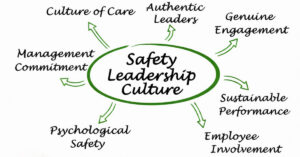
At its heart, safety is about people. Policies, audits and risk assessments all play a role, but they cannot replace the impact of authentic leaders who genuinely care about the wellbeing of those they lead.
Creating a Culture of Care—Why Safety Is About People, Not Rules
At its heart, safety is about people. Policies, audits and risk assessments all play a role, but they cannot replace the impact of authentic leaders who genuinely care about the wellbeing of those they lead.

Safety Culture Is Set at the Top
Most organisations invest heavily in safety systems, policies and procedures. But have you ever stopped to ask why so many safety improvement programmes struggle to gain real traction?
Everyone Is a Leader in Safety
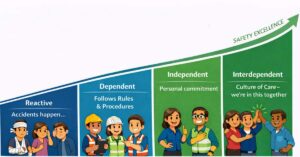
One of the biggest misconceptions about workplace safety is that responsibility sits primarily with senior management or specialist teams.

When Trust is Tested: Moving Forward with Wisdom, Not Cynicism
Leaving the corporate world and stepping out on your own takes courage. It calls for resilience, belief, persistence and encouragement from those around us.