Most organisations invest heavily in safety systems, policies and procedures. But have you ever stopped to ask why so many safety improvement programmes struggle to gain real traction?
If the systems are in place… why doesn’t the culture always follow?
Because safety culture isn’t created by documents or dashboards. It’s shaped by leadership.
What senior leaders say and do every day sets the tone for the whole organisation. What gets talked about in meetings? What gets funded? What gets challenged? What gets quietly overlooked? The answers to those questions send powerful signals about what really matters.
And here’s the uncomfortable question:
Is there a gap between what the executive team believes is happening and what people are actually experiencing on the ground?
Most senior leaders don’t set out to create unsafe environments. In fact, many genuinely believe safety is a core value. The board sees the metrics, the reports look strong, the policies are robust…so the messaging is clear, right?
But what does it feel like on the shopfloor?
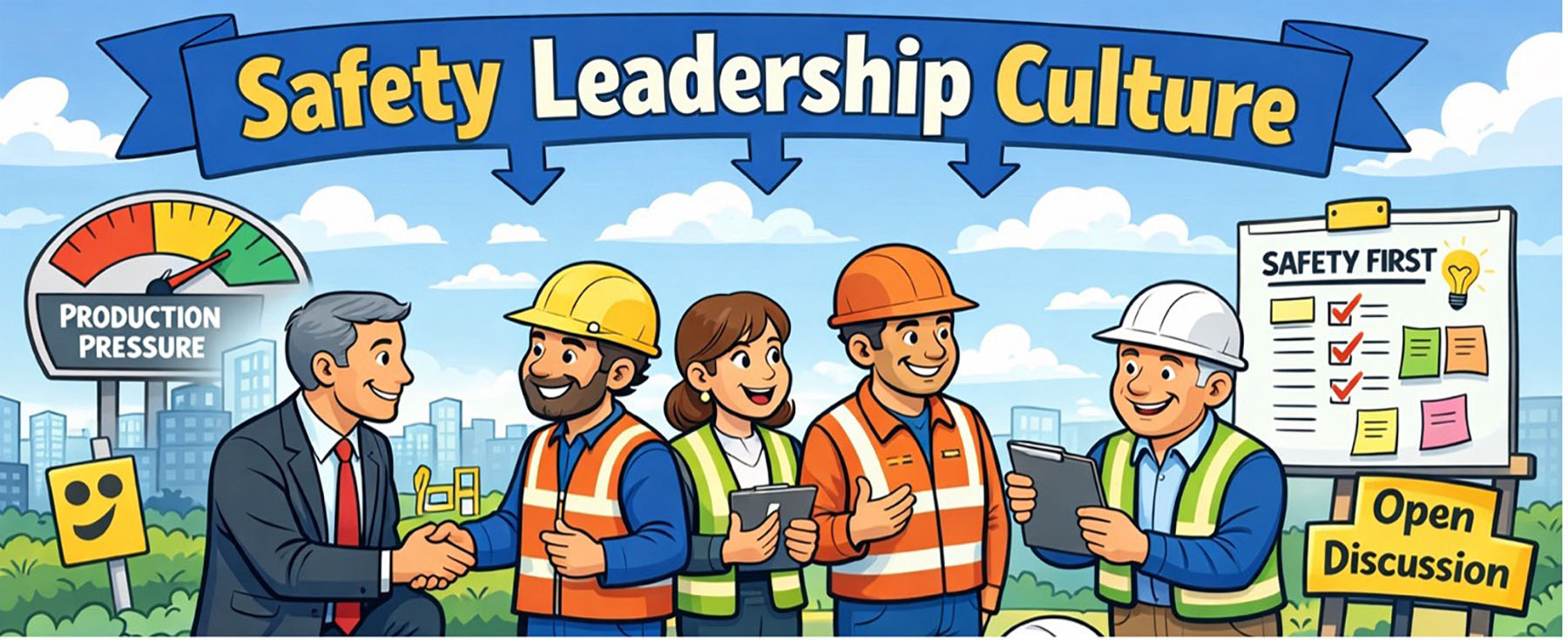
When production targets are tight, what really takes priority?
When someone raises a concern, how is it received?
When deadlines slip, what conversations happen?
Are shortcuts challenged—or quietly tolerated?
Do managers feel safe escalating bad news?
Because people don’t just listen to what leaders say. They watch what leaders do. They notice what gets rewarded. They notice what gets defended. They notice what gets ignored.
Over time, that’s what shapes mindset.
If safety seems negotiable when performance is under pressure, people learn that it’s conditional. And once safety becomes conditional, culture shifts, regardless of the posters on the wall.
So how often do leaders step out from behind the metrics and ask, “Is this how work really gets done?”
How often do they invite challenge—and genuinely listen?
How often do their decisions clearly show that people matter more than targets?
Closing the gap isn’t about adding more procedures. It’s about aligning behaviour at the top with the values the organisation claims to hold.
When leaders are visible, curious and open—when they respond to concerns without defensiveness and make tough decisions that favour safety over short-term performance—safety then becomes something everyone believes in. It becomes part of how people think.
Safety culture doesn’t begin with a policy.
It begins with the example set at the top.
Acredale Consulting provides safety leadership culture advice and training that can help you close the gap-wide safety mindset and build a culture that shows—not just tells—people that safety truly matters.