
We continue to live in an uncertain world with unnecessary conflict, out of the control of our own hands, yet we are expected to step up and deal with it, carry on carrying on with our work and our lives. When uncertainty rises, most organisations respond in predictable ways. Costs are reviewed, budgets are tightened and anything perceived as “non-essential” is paused or removed altogether. Too often, coaching, mentoring and people development fall into that category.
On the surface, of course, it makes sense. When the pressure is on, the focus shifts to delivery, performance and immediate results. Development can feel like a luxury and maybe something to return to when things settle down.
But here’s the reality: pressure doesn’t create leadership capability. It reveals it.
And if the capability isn’t there when it matters most, no amount of cost-cutting will compensate for it.
 In uncertain environments, leaders are required to make decisions with incomplete information, communicate with clarity when answers aren’t always available and maintain momentum when confidence is fragile. These aren’t purely technical skills. They rely on self-awareness, judgement, emotional intelligence and the ability to think clearly under pressure.
Without support, most people default to habit. They revert to what feels familiar and safe. In stable times, that might be enough but in uncertain times, it often isn’t.
This is where coaching and mentoring come into their own—not as a “nice to have,” but as a critical enabler of performance.
Coaching creates space. Space to think, to reflect and to step back from the noise. In fast-moving, high-pressure environments, that space is often the first thing to disappear and yet it’s the very thing that enables better decisions.
Coaching can also offer challenge. Not in a confrontational sense, but in a way that helps individuals see beyond their immediate perspective—to question assumptions, consider alternatives and to respond, rather than react.
Perhaps most importantly, it builds awareness. Awareness of impact, of choices, and of the patterns that either support or limit effectiveness. That awareness is what allows leaders to adapt which is something that becomes essential when the ground is constantly shifting.
When organisations step back from developing their people in these moments, they might be saving money, but they are undoubtedly increasing risk.
- They risk slower, less effective decision-making and disengagement as people feel unsupported or stretched beyond their capability.
- They risk losing the effectiveness of their most capable individuals, those who are often the first to recognise when their growth has stalled.
The organisations that navigate uncertainty best tend to do something different. They lean in, not out. They recognise that their ability to respond to challenge is directly linked to the capability of their people and they invest accordingly.
 This doesn’t mean ignoring commercial reality or spending without thought, absolutely not, it means being deliberate, asking better questions and not “What can we cut?” but “What do we need more of right now to lead well through this?”
Because when the pressure is on, leadership matters more, not less.
Leadership doesn’t develop by accident. It develops through intention, reflection and the willingness to invest in people, even, and especially, when it feels uncomfortable to do so.
If you want to find out more how to create resilience in your leaders to be ready and able to take on the challenges that external influences can throw at your organisation, please contact us at Acredale Consulting.


Courage, Care and Curiosity: Rethinking What Creates Safer Cultures
after many years working in operational leadership, safety and team development, the current question is: What is it that truly creates cultures where people feel able to speak up, challenge, learn and look out for one another?
When the pressure is on, this is not the time to step back from your people
Pressure doesn’t create leadership capability. It reveals it.
And if the capability isn’t there when it matters most, no amount of cost-cutting will compensate for it.
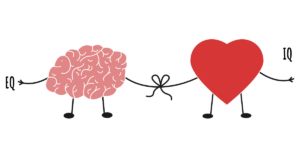
Emotional Intelligence: More Than Just Being a “People Person”
What is Emotional Intelligence (EQ)?
Many assume that if someone is outgoing, friendly, or naturally good with people, they must have high emotional intelligence. But being a “people person” doesn’t automatically mean you have high EQ.

STEM–What it is and Why I’m still passionate about it
STEM is a familiar acronym: Science, Technology, Engineering and Mathematics. For me, however, STEM is far more than a set of disciplines. It represents opportunity, innovation, resilience, and—still unfinished business.

International Women’s Day 2026
If organisations truly want high performance, they can’t afford to ignore half the talent pool.
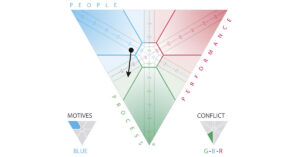
Relationship Intelligence—What on Earth is it (and why should you care)?
At its heart, safety is about people. Policies, audits and risk assessments all play a role, but they cannot replace the impact of authentic leaders who genuinely care about the wellbeing of those they lead.